
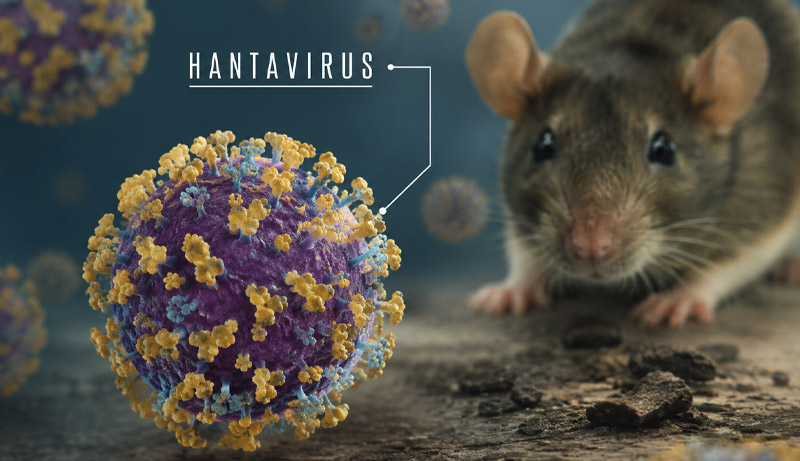
As headlines about hantavirus circulate online and on social media, many people are wondering whether they should be concerned. According to Taylor Deleener, MS, BSN, RN, CEN, CIC, Infection Prevention Manager at Shore Medical Center, the answer is: stay informed, but don’t panic.
Recent reports have focused on a strain of hantavirus connected to a cruise ship outbreak involving passengers and crew traveling in the Atlantic Ocean. According to the CDC, dozens of people in the United States are currently being monitored after potential exposure, but no U.S. cases linked to the outbreak have been confirmed. The CDC also states that the overall risk to the American public remains “extremely low.”
“This doesn’t seems to have the same pandemic potential as viruses like COVID,” Deleener says. “Transmission appears to require prolonged, close contact, much more than simply passing someone in a grocery store.” She explains that the type of close contact being discussed would typically involve situations such as living in the same household, caring for someone who is ill, or extended physical closeness over time, not brief everyday interactions in public places.
The strain making headlines is different from the type of hantavirus typically seen in North America. The cruise ship-related strain, called the Andes virus, has shown the ability to spread through very close person-to-person contact, but it does not appear to spread easily like COVID-19 or influenza. Health officials say transmission is much less efficient and requires more sustained exposure.
“Hantavirus is very rare,” Deleener explains. “Most cases in North America come from exposure to infected mice, specifically their urine and droppings.” Historically, that is how hantavirus has most often been transmitted in North America. The virus can spread when people clean enclosed spaces like sheds, barns, garages or cabins where rodents may have nested. Sweeping or disturbing contaminated material can send virus particles into the air, where they may be inhaled.
Although rare, hantavirus can become serious quickly. Early symptoms often resemble the flu and can include body aches, fatigue, fever and sometimes gastrointestinal issues. In more severe cases, the illness can progress to serious respiratory symptoms requiring hospitalization. CDC data shows approximately 890 cases of hantavirus were reported in the United States between 1993 and 2022.
So what should people do if they’re feeling anxious after seeing alarming social media posts or sensational headlines?
“The best thing people can do is rely on trusted sources for information,” Deleener advises. “The CDC updates guidance frequently as they learn more.” She cautions against depending on influencers or unverified online posts for medical information, especially when details about emerging illnesses are still evolving.
Most importantly, she emphasizes perspective. “There’s still a lot we’re learning,” she says. “But right now, public health experts are saying the overall risk remains very low.”
For the latest information and updates from the CDC, visit: https://cdc.gov/hantavirus/situation-summary/index.html.