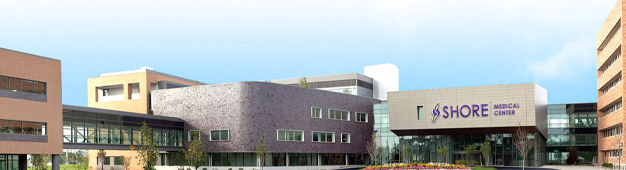
What Shore Medical Center's Cancer Experts Want You to Know
A cancer diagnosis brings a flood of emotions, questions and decisions. One of the first decisions many patients face isn't about chemotherapy or surgery. It's deciding where to receive treatment.
Should you stay close to home? Or travel to a large academic medical center? You will likely hear many opinions from family and friends who will make you think bigger is automatically better – but the answer isn’t always that simple.
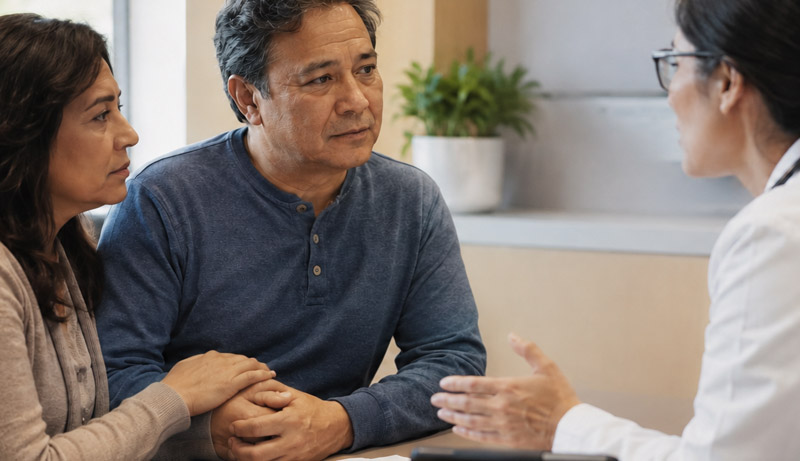
"Every patient's situation is unique," says Angela A. Bailey, MSW, LSW, Oncology Social Worker and Manager of Cancer Community Outreach at Shore Cancer Center. "Sometimes a highly specialized treatment at a university hospital is the best option, and we'll help patients access that. But many people are surprised to learn they can receive nationally accredited, comprehensive cancer care close to home. In many cases, they can benefit from both."
The key, Bailey says, is asking the right questions before deciding where to receive treatment.
1. Is the cancer program accredited?
One of the best ways to evaluate a cancer center is to ask whether it is accredited by the Commission on Cancer (CoC), a quality program of the American College of Surgeons.
Commission on Cancer accreditation isn't simply a designation. It recognizes cancer programs – like Shore Medical Center - that meet 37 rigorous national standards for cancer prevention, diagnosis, treatment, supportive care, quality improvement and patient outcomes. Accredited programs undergo a comprehensive review every three years to ensure they continue to meet those standards.
"CoC accreditation is one of the strongest indicators that a cancer program is committed to providing high-quality, patient-centered care," says Kimberly Kaczmarski, MBA, ROCC, RT(R)(T)(CT), Manager of Radiation Oncology. "Many people think surveyors only evaluate the cancer center itself, but they look at nearly every department a cancer patient may interact with—from surgery and pathology to imaging, rehabilitation and support services. They're evaluating the entire patient’s cancer journey."
Shore Medical Center has maintained Commission on Cancer accreditation since 1987, reflecting nearly four decades of providing nationally recognized cancer care. Shore's Radiation Oncology program is also accredited by the American College of Radiation Oncology (ACRO), recognizing excellence in the delivery of radiation therapy.
2. Will I have access to the specialists I need?
Cancer care involves much more than one physician. Depending on your diagnosis, your treatment may include medical oncology, radiation oncology, surgery, pathology, radiology, pharmacy, rehabilitation, nutrition, social work and many other specialists.
Ask how those experts communicate and what happens if you need a treatment that isn't available locally.
At Shore, every patient's case is reviewed by a multidisciplinary team that develops an individualized treatment plan based on the patient's diagnosis, overall health and goals of care.
As a member of the Penn Cancer Network, Shore also provides direct access to Penn Medicine specialists when highly specialized care is appropriate, while coordinating with other hospitals if a patient prefers to receive care elsewhere.
"Sometimes that means a specialized surgery, proton therapy or a clinical trial that's only available at an academic medical center," Bailey explains. "If that's the best option, we'll help coordinate it. But in many cases, patients can receive that consultation and then come back to Shore to receive much of their treatment close to home."
Kaczmarski offers lung cancer as one example.
"If surgery is recommended as part of your treatment, you'll have that procedure at another hospital because it's not performed at Shore," she says. "But after surgery, many patients return here for chemotherapy, radiation therapy and follow-up care. We coordinate closely with the surgical team so patients experience one seamless plan of care rather than feeling like they're moving between separate healthcare systems."
3. Who will help me navigate my care?
A cancer diagnosis can quickly become overwhelming, with appointments, imaging, lab work, specialists, insurance questions and treatment decisions. Ask who will help you navigate the process.
At Shore, cancer care is coordinated by a nurse navigator along with a multidisciplinary team that communicates about you and your treatment regularly throughout each patient's treatment. Weekly cancer conferences ensure every specialist involved in a patient's care stays informed, while team members help address practical concerns like scheduling appointments, transportation, financial challenges, or connecting patients with community resources.
"We never want patients to feel like they're navigating cancer alone," Bailey says. "Whether someone needs help understanding their treatment plan, arranging transportation, finding financial resources or simply knowing who to call with a question, our whole team is here to guide you."
4. Can I receive most of my treatment close to home?
For many patients, cancer treatment involves weeks, or even months, of chemotherapy, radiation therapy, lab work, imaging and follow-up appointments.
Traveling long distances multiple times a week can add physical, emotional and financial stress during an already difficult time.
"Being close to family and friends can make a tremendous difference during treatment," Kaczmarski says. "Our goal is to provide as much care locally as we safely and appropriately can."
For example, a patient may travel to Penn Medicine for a specialized consultation or surgery, then complete six weeks of daily radiation therapy or months of chemotherapy at Shore Cancer Center, saving countless hours of travel while remaining close to home and their support system.
5. What support is available beyond medical treatment?
Cancer affects much more than your physical health.
Ask what resources are available to support your emotional, nutritional, financial and practical needs throughout treatment.
At Shore Cancer Center, support begins before treatment even starts.
Patients beginning chemotherapy participate in a "chemo teach," where an oncology nurse reviews the treatment plan, explains medications and possible side effects, answers questions and helps patients know exactly what to expect before their first infusion.
Support continues throughout treatment and beyond. Patients have access to oncology social work, nutrition counseling, genetic counseling, rehabilitation services, survivorship planning and Shore's Cancer Thriving and Surviving Workshop, a six-week educational and support program for patients, survivors and caregivers.
Sometimes support means helping a patient apply for financial assistance after taking time away from work. Sometimes it means connecting a caregiver with a support group. Sometimes it's working with an oncology rehabilitation specialist to rebuild strength after treatment.
"Cancer treatment isn't just about treating the disease," Bailey says. "It's about caring for the whole person and helping patients and families navigate everything that comes with a diagnosis."
Your First Step Doesn't Have to Be Your Final Decision
Choosing where to receive cancer treatment is one of the most important healthcare decisions you'll ever make.
For some patients, the right choice includes traveling for a highly specialized procedure or clinical trial. For many others, nationally accredited cancer care close to home provides the expertise, convenience and support they need.
"The question isn't whether care is delivered at a community hospital or a large academic medical center," Kaczmarski says. "The question is whether you're receiving the right care for your diagnosis from a team that's committed to working together on your behalf."
If you or someone you love has recently been diagnosed with cancer, remember that your first appointment doesn't commit you to receiving treatment at any particular hospital or cancer center. It gives you an opportunity to ask questions, understand your options and determine what's best for you.
Whether your care takes place entirely at Shore Medical Center or includes collaboration with Penn Medicine or another academic medical center, the goal is the same: ensuring you receive the right treatment, from the right specialists, at the right time so you have the best possible outcomes.
To learn more about Shore Cancer Center or schedule a consultation with one of our specialists, visit www.shoremedicalcenter.org/centers/cancer or call (609) 653-3585.