
As temperatures drop and indoor heat rises, many people experience tight, itchy, or flaky skin during the winter months. While dry skin is common this time of year, it shouldn’t be dismissed. According to Dr. Daniel Jacoby, Director of Hospitalist Medicine at Shore Medical Center in Somers Point, dry skin often reflects changes in our environment—and sometimes signals when it’s time to take a closer look at our health.
Healthy skin exists in balance—neither too wet nor too dry. “Skin that stays overly moist can actually break down and become more prone to infection,” Dr. Jacoby explains, something frequently seen in pressure ulcers in hospitalized patients. In the community, however, winter brings the opposite issue.
When outdoor temperatures fall below 35–40 degrees, relative humidity drops. Warm air can hold more moisture, but cold air cannot, so it pulls moisture from the skin instead. Even indoors, humidity remains low. Homes may feel climate-controlled, but they are more porous than we realize, allowing dry outdoor air to affect indoor conditions. That’s why winter dryness often appears on hands, knuckles, and fingers. Frequent handwashing—especially for healthcare workers—removes the skin’s natural oils that protect it. “Replacing that moisture is critical,” Dr. Jacoby says. “That’s why we keep moisturizers next to handwashing stations throughout the hospital.”
Dry skin often becomes itchy because of microscopic changes beneath the surface. When skin dries out, tiny cracks form, weakening the protective barrier. These openings allow allergens, dust, and irritants to penetrate, triggering itching and inflammation. Some dryness is expected in winter, but certain signs should not be ignored. Redness, rashes, bumps, or pimple-like lesions may point to eczema, dermatitis, or other underlying conditions. Skin changes accompanied by symptoms such as fever, fatigue, or weakness should be evaluated by a healthcare provider.
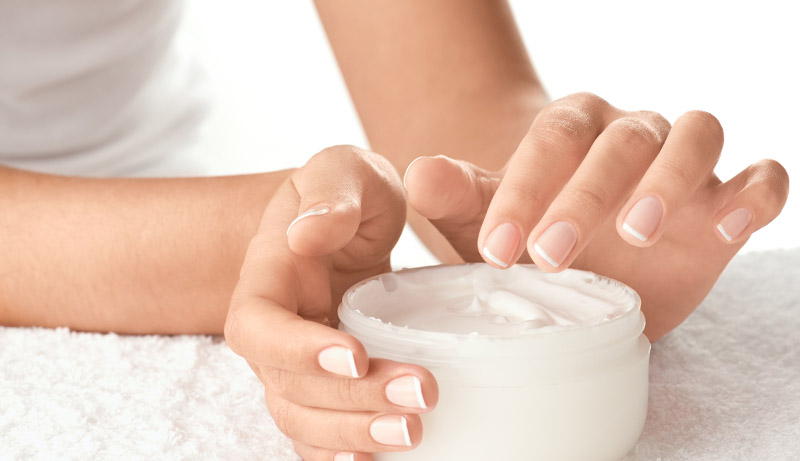
Most winter dry skin can be managed with consistent daily care. Cream-based moisturizers are typically best for everyday use because they are water-based, absorb easily into the skin, and don’t leave a greasy residue. Ointments, which are oil- or petroleum-based, sit on top of the skin and form a strong protective barrier. These are better reserved for severe or stubborn dry patches and should be used for short periods. Moisturizing after washing—while skin is still slightly damp—helps seal in hydration, and limiting hot showers prevents further stripping of natural oils.
Improving indoor air quality is also an important part of protecting both skin and overall health. Dr. Jacoby strongly recommends using a humidifier, especially in bedrooms where people spend hours overnight. Even an inexpensive humidifier can significantly increase moisture in the air, helping with dry skin, nasal passages, and sinuses.
Added humidity may even help reduce the spread of respiratory viruses—a lesson many healthcare providers learned during the COVID-19 pandemic. “In very dry air, virus particles can travel easily and remain suspended longer,” Dr. Jacoby says. “In more humid environments, moisture droplets act like obstacles—almost like a spaceship flying through an asteroid belt. Those virus particles are more likely to get trapped by a moisture droplet and fall to the ground, rather than staying airborne and reaching someone else’s lungs.”
If dry skin appears suddenly, worsens quickly, doesn’t improve with treatment, or is accompanied by other symptoms, it’s important to seek medical care. Persistent or localized rashes may require prescription therapies that go beyond over-the-counter products.
“Your skin tells a story,” Dr. Jacoby says. “Paying attention early can prevent small problems from becoming bigger ones.”
Winter may be tough on your skin, but with the right care—and by listening to what your body is telling you—you can stay comfortable and healthy all season long.